¡El centro de donación de productos agrícolas de 2026 ya está abierto!
Donate your garden produce to a Plot Against Hunger Produce Donation Center or directly to a food pantry using the link below! We welcome all amounts, starting with those extra vegetables you won’t use. Our regular 2026 days are:
Rock Spring Church – Carpenter Hall
5010 Little Falls Road, Arlington
- lunes (Martes, si es festivo) En mayo, junio y julio: de 12:30 a 14:30.
- Lunes y jueves de agosto y septiembre: 12:30 a 14:30.
- Lunes de octubre: 12:30 - 14:30
Woman’s Club of Arlington (fechas/horas actualizadas)
700 S Buchanan Street, Arlington
- Mondays from May – October: 1:00 pm – 3:00 pm
If you donate directly, be sure to record your donation to add to the Plot Against Hunger harvest donation total using the form link below.
Check out some recommended crops to grow and Rules of Thumb for donating your produce below.
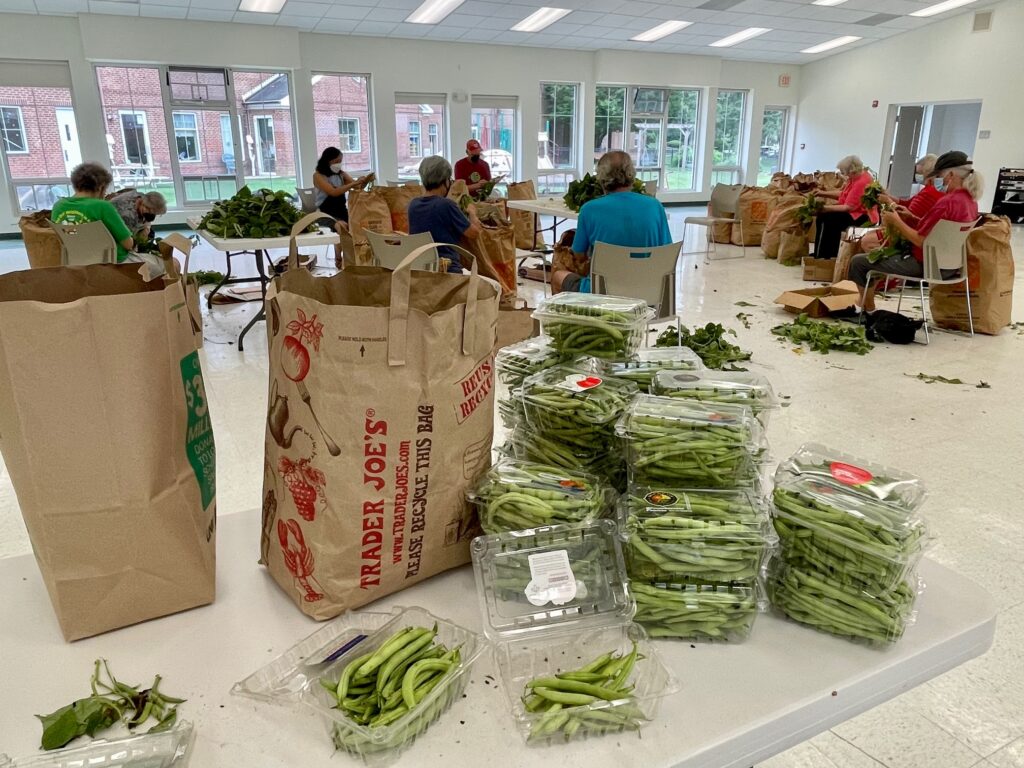
Want to volunteer at the Plot Against Hunger Produce Donation Center? Opportunities are available each week through October.
Encuentre una despensa de alimentos
You can donate directly to local food pantries! We maintain a list of local food pantries for your convenience. Some food pantries only accept pre-packaged produce while others will accept bulk donations.

Report your produce donation
If you donate your produce directly to a food pantry and no via the Produce Donation Center, please fill out this form so we can correctly count donations.
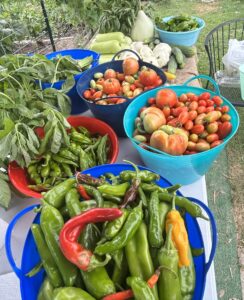
Recommended Produce to Grow
Primavera
- Remolachas
- Lechuga
- Espinaca
- coles
- col rizada
- Zanahorias
- Rábanos
El verano
- Tomates
- Pimientos (de todo tipo)
- Pepinos
- calabaza de verano
- Judías verdes
- col rizada
Caer
- Calabaza de invierno
- Hierbas
- coles
- Rábanos
- col rizada
- Nabos
- Papas blancas y batatas
Reglas generales:
- Las verduras deben estar libres de suciedad y barro.
- Las verduras no deben estar plagadas de insectos, tener magulladuras graves o partirse.
- No mezcles verduras. Los voluntarios necesitan tiempo para clasificarlos y volver a empaquetarlos.
- Métodos de embalaje preferidos: conchas de almejas o bolsas con cierre hermético. El tamaño de las porciones debe ser bueno para una familia de 4.
- Etiquete productos inusuales, frijoles extraños o calabazas locas para que las familias y los voluntarios sepan cuáles son.
- Etiquete los pimientos como dulces, medianos o picantes.
- Se aceptan productos tanto a granel como envasados.
- BONUS donation: New compostable produce bags
 ES
ES  EN
EN